
Trash to Cash in Your Plant
In a manufacturing plant, raw materials enter the factory through the receiving doors and eventually exit through two other means. First and ideally the raw materials are converted into finished goods and shipped to customers thus creating revenue or second, the raw materials are not converted or fully converted into acceptable finished goods and the materials exit the factory through a scrap stream. On a percentage basis, this is called raw material yield.
I’ll break this material yield down even further into design yield loss, conversion yield loss and shrinkage loss.
Design Yield Loss
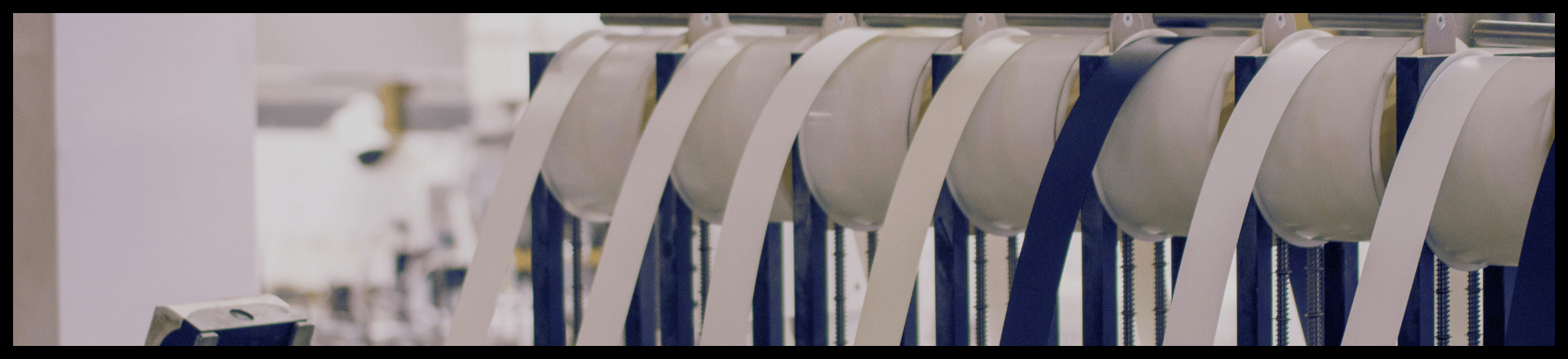
Some product and process designs are such that raw material is lost to scrap when it converts, and typically automated processes remove this scrap. Examples of this include metal stamping and web converting processes whereas a cookie cutter style of die extracts usable product shapes from sheets of raw materials, leaving a skeleton of material waste behind as scrap. Another example is a potato chip process, whereas peelers remove the potato skins and this results in process design scrap. From my experience, most factories deal with this design waste through some sort of recycling method. Metal stamping and web converting operations will send this scrap to recyclers. Potato chip plants, send waste through a starch recycling process and sell the starch to other companies or the potato scrap is sent to local pig farmers.
Conversion Yield Loss
Conversion yield loss happens when there are process deviations that create scrap. Things like quality failures, process jams, start-up materials, shutdown materials, mechanical failures and human error cause these losses. While design losses are built into the product costs, conversion loss is not in the product cost although there may be a standard scrap rate built into the plant’s budget. Conversion loss reflects process error, none-the-less. What makes conversion loss even worse is that this scrap often does not find its way to the recycling stream. Instead, it goes into the dumpster and to the local landfill.
Shrinkage Loss
Shrinkage loss is material that finds its way to scrap directly from an inventory location. This could be in a raw material warehouse, a finished good warehouse or a WIP location. This scrap typically occurs due to product obsolescence, expiring shelf life, missing inventory or product damage.
Opportunity!
All three of these yield losses represent opportunities for cost improvements. Design waste is often out-of-sight, out-of-mind. Because this waste is baked into product costs, the opportunities tend to get overlooked. Conversion loss shows up on manufacturing variance reports and manufacturing managers are left trying to explain away the variances during the “dreaded” manufacturing variance meetings. These meetings are the worst. Trying to identify the scrap issues from cloudy memories and unconclusive data is a painful experience. When it comes to waste it is important to understand that sometimes not only are you tossing away material, but you are also tossing away labor costs too. If the material is in WIP or finished goods status when it is scrapped, then a plant incurs labor costs along with the material costs. This is a double whammy and equally difficult to explain during variance meetings. Lastly, inventory shrinkage seems more acceptable and too often businesses accept it as simply a cost of doing business. It is a preventable cost however and each incident should be investigated.
Ultimately, none of these yield loss streams are good. They all represent lost opportunity, and they can cost plants hundreds of thousands and even millions of dollars within a fiscal year.
Rather than ignore the opportunities that exist in your plant or speculate on causes, there is another, real-time method of waste analysis. All admittedly, not so glamourous, you could start doing trash can audits.
Trash Can Audits

Trash can audits are pretty much what they sound like. It involves walking around the plant and investigating the contents of the trash cans, tilt carts, scrap barrels, recycling drums and dumpsters. It sounds ugly, but it works.
I worked at a Frito-Lay plant in Binghamton, NY and this approach helped reduce our packaging waste from 6.0% to 0.4% within 3 months and it yielded over $1,000,000 in bottom line profits. This method revolved around pulling packaging waste from the tilt carts that were staged up and down the packing floor and asking the question, “Why is this here?”. By doing this we found some common reasons for the scrap. Once we found the few main reasons, we could implement action plans to address each one. Here are three examples:
The Bottom Line
Remember, your materials only exit your plant in one of two ways, Either through the shipping doors or through the dumpster doors. Don’t underestimate the value of rolling up your sleeves and doing hands-on investigations. You will be surprised by what you find. You’ll find endless opportunities to improve the financial results of your plant, not only through reduced conversion loss, but also through reductions in design loss and shrinkage too. Furthermore, you might find opportunities in the areas of factory supplies and tooling.
Never be too proud to succeed. Trash can audits will improve your plant’s financial performance. Start digging your way to find profits.
Stay connected with news and updates!
If you want some weekly T4T wisdom coming straight to your inbox for your reading pleasure - look no further! Join our mailing list to receive the latest blogs and updates.
Don't worry, your information will not be shared.
We hate SPAM. We will never sell your information, for any reason.
