
SMED Works Everywhere!
cnc diaper manufacturing food processing lean implementation packaging material printing press private lable processes project single minute of exchange of die smed vmiSingle-Minute Exchange of Die (SMED) is a lean manufacturing methodology focused on reducing equipment changeover times so production can switch quickly between products. By separating internal and external setup tasks, simplifying adjustments, and standardizing processes, SMED improves flexibility, reduces downtime, lowers inventory, and enables smaller batch production without sacrificing efficiency.
SMED was developed in the 1950s and 1960s by Japanese industrial engineer Shigeo Shingo while working with Toyota and other manufacturers. Shingo observed that long changeover times limited production flexibility and increased inventory. By systematically separating internal setup tasks from external ones and simplifying adjustments, he helped Toyota reduce die changeovers from hours to minutes. SMED became a cornerstone of the Toyota Production System and later a key element of lean manufacturing worldwide, enabling faster response to customer demand.
Implementing SMED can be challenging in unique manufacturing processes due to specialized equipment, complex setups, and limited standardization. Some processes require precise alignment, long warm-up or cool-down periods, or regulatory inspections that cannot be easily shortened. Custom tooling, low production volumes, and highly variable products can also limit opportunities for quick changeovers. In addition, resistance to change, lack of cross-training, and insufficient data on setup activities may slow progress. Successfully applying SMED in these environments often requires creativity, engineering support, and strong collaboration between operations, maintenance, and quality teams.
SMED WORKS EVERYWHERE
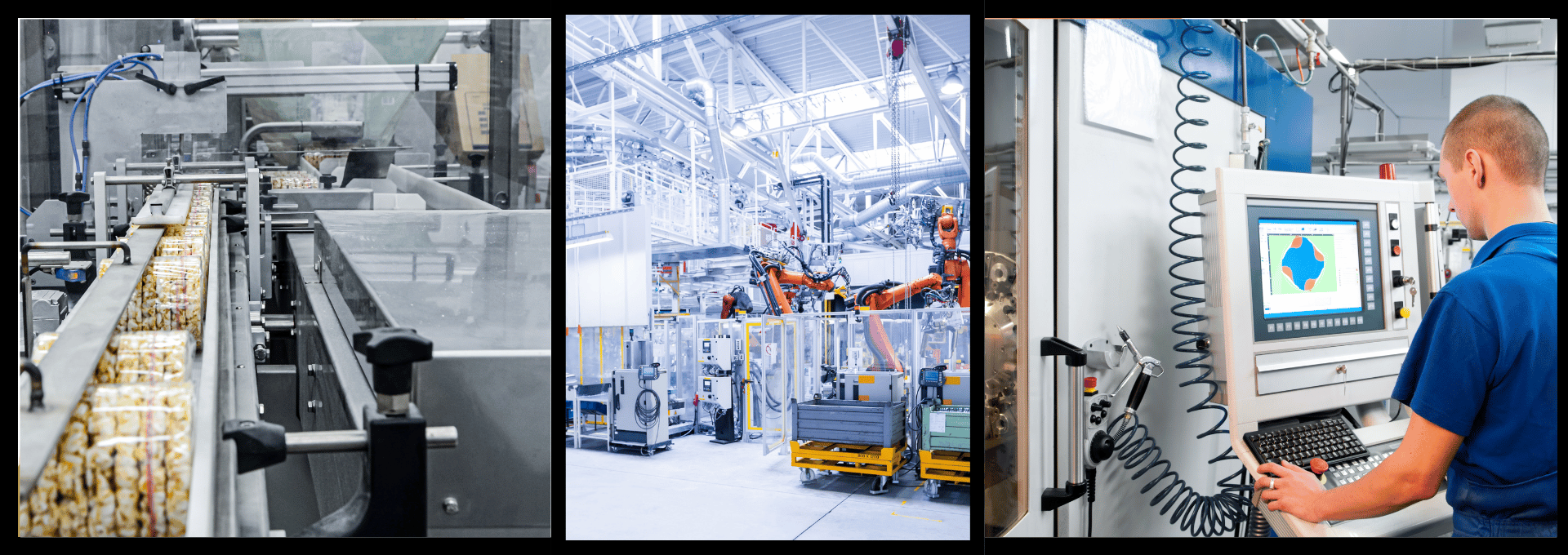
Hello, my manufacturer friends, I know that it can be difficult to apply Single Minute Exchange of Die or SMED in certain unique process, But I’m here to say that SMED can implemented to reduce changeover times on almost every process requiring changeovers. Just get creative and explore your SMED process opportunities under the context of Machines, Methods, Manpower and Materials. Here are actual examples of diverse project applications:
Machine
In a diaper factory we reduced the changeover times from 12 hours to 30 minutes. We accomplished this by exploring the machine aspect of the set-up. We progressed through the machine systematically and installed quick change parts, like locating pins and hand clamps. Our goal was to eliminate the need for tools and to establish exact settings for each product. Through a series of design improvements, the set-ups became faster, more repeatable and much easier for the operators.
Methods
This next project is about a SMED project at a Frito-Lay Plant. The process produced Ruffles and Lays potato chips with all of the flavor varieties. Here we reduced the changeover time from 60 minutes to literally 2 seconds. Our approach was that instead of shutting down the entire process during the changeovers, we approached the changeover in steps and this method kept the process running continually during the brand changeovers. The trick was to balance the fryer output with the packaging rate and to utilize the seasoning conveyors to temporarily stage unseasoned product. By using this step-by-step method, we seamlessly worked our way from one brand to the other.
Manpower
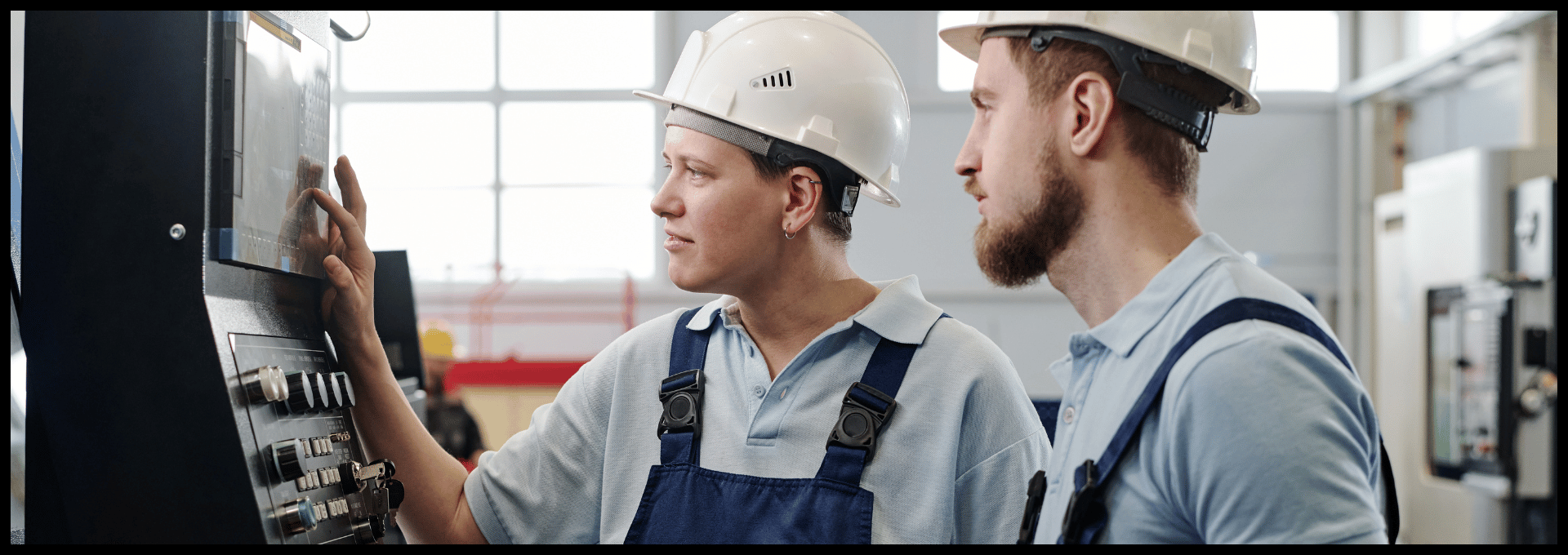
At a CNC machine shop we doubled the number of set-ups from 75 a month to 150 a month. Set-up machinists are extremely skilled employees and their availability was a bottleneck for our set-ups. So, our SMED team videoed a set-up and they noted each time that the machinist walked away from the machine. Like in an operating room, you want to keep the surgeon over the patient. Or in our case, we wanted to keep the machinist at the machine and by analyzing a set-up we noted that machinists left the machine frequently. Based on our discoveries, we started kitting tools and gages and we located needed items closer to their point of use. We also level-loaded some labor steps with other employees. Ultimately, we improved the utilization of our most skilled manpower.
Material
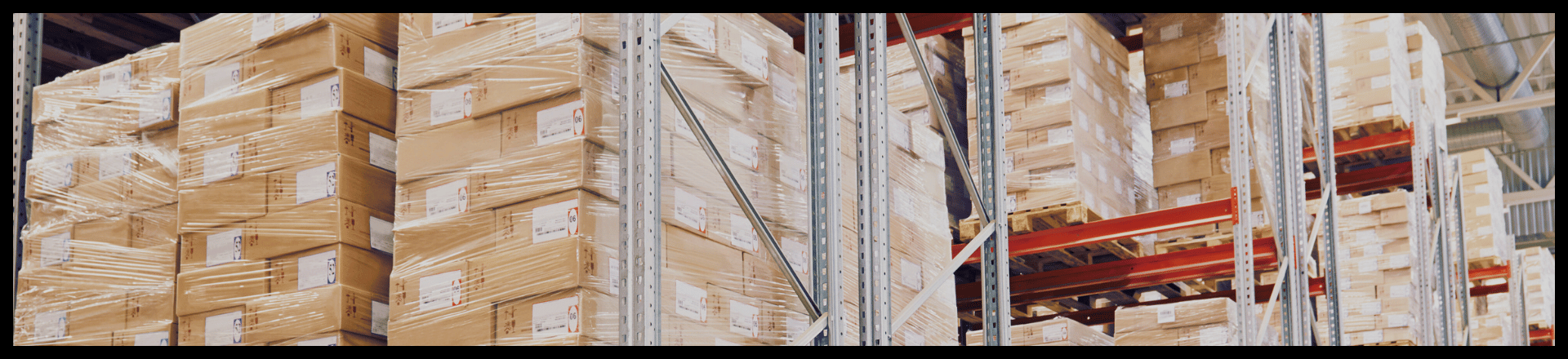
At this private label consumer products company, I wasn’t happy with our high packaging inventory levels and our packaging supplier wasn’t happy about the frequency of their printing press changeovers. Doing press color changes on a printing press is time consuming. So, we created a vendor managed inventory system. Our supplier agreed to store and manage our packaging inventory while we provided them with kanban limits. This system allowed the vendor to manage the inventory and schedule their own printing press sequences thus reducing press changeover times by 75% and this VMI reduced my plant’s packaging inventory from 6 months to 24 hours.
SMED: Be Creative
If you take a creative approach to your SMED projects and look at the machine, method, manpower and materials, you can reduce your changeover times. Just know that it can be done!
Stay connected with news and updates!
If you want some weekly T4T wisdom coming straight to your inbox for your reading pleasure - look no further! Join our mailing list to receive the latest blogs and updates.
Don't worry, your information will not be shared.
We hate SPAM. We will never sell your information, for any reason.
CATEGORIES
All Categories 5 whys 5s 5s standardize 5s sustain 6m's ability accomplishment accomplishments accountability accuracy action action plans actions ada addiction addiction help admiration adverserial aerospace affordable agenda agriculture ai alcohol alcoholism amazon american disabilities act anderson-darling appreciation approachability approval art artificial intelligence artisan assembly assembly line assessment assignments attention to details attribute gage r&r auto industry auto manufacturing auto production automobile manufacturing average avoidance best practices big bend black belt boss boulder city bourbon trail breakdown budget business business case business model business proposals candidate experience candidates capability capability study cape fear capital career cargo cash flow caterpillar cell design cellular layout cememt central limit theorem central tendancy ceo certification certification training challenges change change management changeover reduction chaos chemical child labor ci cnc cnc programming cogs communication communitiy company compassion compitition concrete conducting interviews conflict conflict management consistency constraints construction consumption continuous improvement conversion loss corrective action correlation analysis cost savings costs courage course cp cp and cpk cpk cross-functional cross-training cross-training matrix crude culture current state current state map customer customer satisfaction customer service customer value customers cv daily goals dallas dam dashboard data data analytics data collection data transformation debt-free decision maker defects deliverables demand department design design loss design of experiment design review design reviews develop development dfm diaper manufacturing diet difficulties direct labor discussion discussions diversity document document control documentation doe drilling drivetrain driving results drug use duluth dumping e learn e-learning eap ebit education effective effectiveness effectivity effects of change efficiency effort email empathy empirical rule employee employee assistance program employee development employee engagement employee recgonition employees encourage encouragement enforcement engagement engineer engineering equipment error proof excellence exercise expectations expertise experts facilitate facilitator factories factory family life farming feedback financial financials fishing fixed mindset flexibility flexible follow-up food processing foolproof ford forecast fossil fuels fred jones freightliners friendships frontline leaders fun gage r&r gages gasoline gemba general motors goal alignment goals gold gold rush goldrush good conflict graphs great lakes great teams gross margins gross profits growth growth mindset guidance habits harley davidson health healthy heavy equipment henry ford heritage hiring histogram history hoover dam housekeeping how to be a great teammate how to thrill customer human relations human resources hydro-electric hydro-electric power hypothesis testing ice breaker illinios river valley illinois illinois river immersion importing improve improvement industiral industrial industrial engineering industrial heritage industrial heritgage industrial history industry industry 4.0 inequity injury prevention innovation inspection instructions integrity interactive learning internal promotion interview questions interview skills interview tips interviewing inventory inventory shrinkage investment iowa irresponsible jack daniels distillery tour job diversity job shop job shops jobs john deere kaizen kanban kappa kentucky knowledge labor lead leader leaders leadership leadership development leadership skills leading lean lean champion lean culture lean implementation lean journey lean kickoff lean launch lean manufacturing lean pilot project lean six sigma lean strategy lean tools lean vision learn learning leisure letter of commendation lifestyle logging logistics louisiana low prices lumber machine machine guarding machine speed machines maintenance making a pitch management management by walking around manager managers managing managing conflict managing the floor manpower manufactuing manufacturing manufacturing leaders manufacturing leadership manufacturing plants manufacturing results manufacturing supervisor manufacturing supervisor leadership manufacturing traning manufacturing variance mardi gras marfa material mbwa mean measurement meditation meeting meetings menomonee falls mental health mental tension mentee mentor mentoring mentorship metallurgy methods metrics midland milestones milk run mindset mining mininig minnesota mississippi river model-t money morale mother nature motivation motor cycles muda multivariant analysis museum national park nature new hires new orleans new products night shift nimble business normal distribution normality test north carolina objectives office oil ojt okc oklahoma on line courses on time delivery on-site factories on-time delivery onboarding one-on-one online open-door operational excellence operator operators opex ore organization otd output overhead ownership p&l p-value packaging packaging material partner partnering partnership partnerships pdca pdca cycle peers peoria performance performance management performance patterns performance review performance reviews perimian basis personal accountability personal growth personal grwoth personality petroleum pharmaceuticals pikes place pitch plan planner planning plant plant costs plastics point of use poka yoke poka-yoke policy port portland cement positive feedback positive interactions pou power plant pp ppk praise predictive maintenance presentation presentation anxiety presentations preventative maintenance prices prime costs principles printing printing press private label private lable problem solving problem statement problems procedure procedures process process capability process center process controls process engineer process management process variation processes product development product testing production production flow production supervisor productive conflict productivity products professionalism profit profits profressional development progress project project assumptions project charter project justification project management project objectives project timing projections projects promoted props provide qms qualifies quality quality control quality management system quality tool quality training quick changeover r&d range rapid changeover recognition recognize recruiting recycling red tag referals refinery relationship reliability reputation resolving conflict resources respect responsibility responsible restore results resume resume screening resumes revenue rewards rigs risk risk management roi rolling-5 rolling-5 action plans root cause roots routine safety safety incentives sales sales tips sales volume salesperson sampling science scope scrap screening screening applicants sculptures seattle self-promotion selling service set in order set up times set-in-order set-up reduction shadow board shadowing share shareholder shine shipbuilding shipping shopfloor single minute of exchange of die single piece flow single-piece six-sigma skill development skills sleep slideshow smart goals sme smed social life solutions sort specifications specs speed to market staffing staffing model standard cost standard deviation standardize starved rock state-of-the-art statistics stats staycation steamship steel steel fabrication steel industry strategy stress stress management strong leader structure subject matter expert success sugar mill supervision supervisor supervisor development supervisor leadership supervisors supervsior supplier supplier management supply chain support support resources sustain systems t-test tactical takt tariffs teach teaching team team work team-based teammate teams teamwork technical tennesse whiskey tennessee texas the great depression the hoover dam the normal distribution curve timber time management time-series tools tourism toyota production system tpm tps training training methods travel troubleshooting trust turn around two sample t-test types of change understanding us manufacturing vacation validation value value stream value stream map value-driven values variance variances variation velocity vendor managed inventory video violations visual controls visual factory vmi voc volunteering vsm war on waste washington waste waste reduction waterway wellbeing wilmington nc wisconsin wisdom work instructions work rules workforce workplace workplace conflict